What Are Gut Health Foods?
Gut health foods are whole and minimally processed foods that support the community of microorganisms living in your digestive tract—your gut microbiome. These foods provide the nutrients, fiber, and bioactive compounds that help beneficial bacteria thrive, which in turn can influence digestion, nutrient absorption, and even immune function.
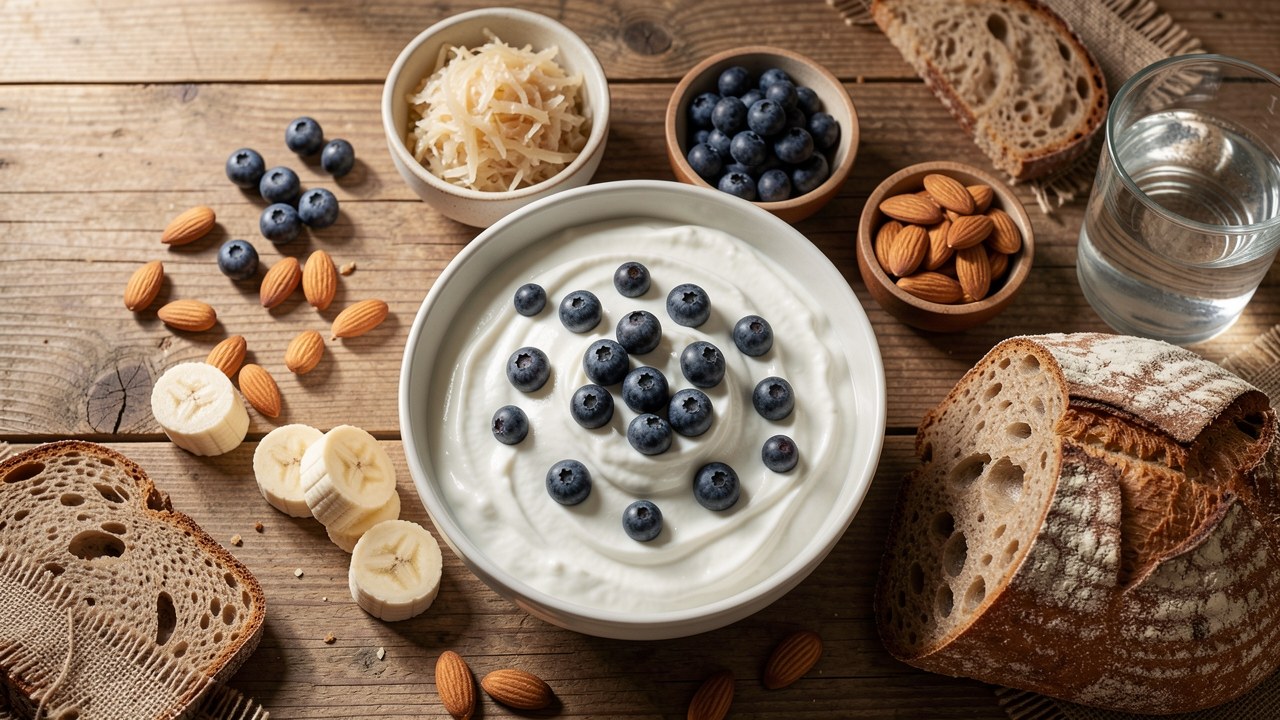
While there is no single definition of a 'gut health food,' research consistently points to a diet rich in plant-based foods: fruits, vegetables, legumes, whole grains, nuts, and seeds. These foods deliver dietary fiber and polyphenols that your gut bacteria ferment, producing beneficial metabolites. Fermented foods like yogurt, kefir, and kimchi also fit into this category because they introduce live beneficial microbes.
Sources: Better Health Channel, USDA Agricultural Research Service
Why Gut Health Matters
Your gut microbiome is a complex ecosystem of bacteria, yeasts, and other microorganisms. These microbes help break down food into nutrients your body can use, produce certain vitamins, and interact with your immune system. A diverse microbiome—one with many different types of microbes—is generally considered a sign of a healthy gut.
Eating a varied diet that includes a wide range of plant foods is one of the most effective ways to support microbial diversity. Think of it as nourishing a garden: the more types of plants you grow, the richer the soil and the more resilient the ecosystem. Similarly, different fibers and phytonutrients feed different bacteria, so variety is key.
- A healthy gut microbiome aids digestion and nutrient absorption.
- Dietary fiber affects how food moves through your gut and the quality of your stool.
- A diverse microbiome is an indicator of gut health.
Sources: Better Health Channel
Probiotics: The Beneficial Bacteria
Probiotics are live microorganisms that, when consumed in adequate amounts, can promote a healthier gut microbial ecosystem. They are found naturally in fermented foods, as well as in dietary supplements. Common types include Lactobacillus and Bifidobacterium.
Fermented foods that contain probiotics include yogurt, kefir, kimchi, sauerkraut, sourdough bread, kombucha, and tempeh. Many of these have been consumed for centuries, though research on their specific digestive benefits is still evolving. Including a variety of these foods in your diet can introduce beneficial live cultures.
- Look for 'live and active cultures' on yogurt labels.
- Try one new fermented food per week, such as kimchi or kefir.
- Remember that not all fermented foods contain live probiotics—some are pasteurized or heat-treated.
Sources: USDA Agricultural Research Service, Better Health Channel
Prebiotics: The Food for Your Microbiome
Prebiotics are types of fiber that act as food for the beneficial bacteria already living in your gut. They are not digested by you, but your microbes ferment them, producing short-chain fatty acids and other compounds that support gut health.
Excellent sources of prebiotic fiber include leeks, onions, garlic, chickpeas, beans, lentils, rye bread, barley, oats, pistachios, cashews, and almonds. Another clever trick: cooking and then cooling potatoes or rice increases their resistant starch content, which acts as a prebiotic.
- Add lentils or chickpeas to soups and salads.
- Choose rye bread or barley in place of refined grains.
- Snack on a handful of pistachios or almonds.
- Let cooked potatoes or rice cool before eating to boost resistant starch.
Sources: Better Health Channel, USDA Agricultural Research Service
How to Start Incorporating Gut Health Foods
You don't need a complete diet overhaul to support your gut. Small, consistent changes can make a meaningful difference. The goal is to eat a wide variety of plant-based foods each week—aim for at least 30 different types if you can.
A practical way to begin is to focus on adding, not restricting. Include a serving of fermented food daily, such as yogurt with breakfast or a side of sauerkraut with lunch. Try to have legumes at least a few times a week, and choose whole grains like oats or barley over refined options.
Drinking plenty of water also helps your digestive system work smoothly, assisting in breaking down food and softening stools.
- Start your day with oatmeal topped with berries and a spoonful of yogurt.
- Add a handful of spinach or beans to your lunch salad.
- Snack on an apple with almond butter or a small handful of pistachios.
- Include a fermented vegetable like kimchi with dinner.
- Plan meals around plant-based proteins like lentils or chickpeas several times a week.
Sources: Better Health Channel
Frequently asked questions
How do probiotics and prebiotics work together?
Probiotics are live beneficial bacteria you ingest, while prebiotics are food for those bacteria. When you consume both together—often called synbiotics—the prebiotic serves as a fuel source for the probiotic, helping it survive and thrive in your gut. For example, a meal of yogurt with a side of oats provides both the probiotic from the yogurt and the prebiotic fiber from the oats.
Sources: USDA Agricultural Research ServiceCan gut health foods help with bloating?
Some people find that a diet rich in gut health foods reduces bloating over time, but results vary. A diverse microbiome supported by prebiotic fiber may help regulate digestion. However, some high-fiber foods can cause temporary bloating, especially if you increase your intake quickly. Introducing these foods gradually and drinking plenty of water can help your digestive system adjust.
Sources: Better Health ChannelSources
- Gut health — Better Health Channel
- Keeping a Healthy Gut — USDA Agricultural Research Service