What Are Probiotics and How Do They Support Gut Health?
Probiotics are live microorganisms that, when consumed in adequate amounts, confer a health benefit on the host. The gastrointestinal tract is home to a vast community of microorganisms, and the activity and composition of these microbes can influence human health and disease. Probiotic foods can help support a balanced gut microbiome.
While research continues to clarify specific effects, scientists agree that the microbes in your gut play a role in digestion, immunity, and overall well-being. Adding probiotic-rich foods to your diet is one way to introduce beneficial bacteria.
Sources: NIH Office of Dietary Supplements
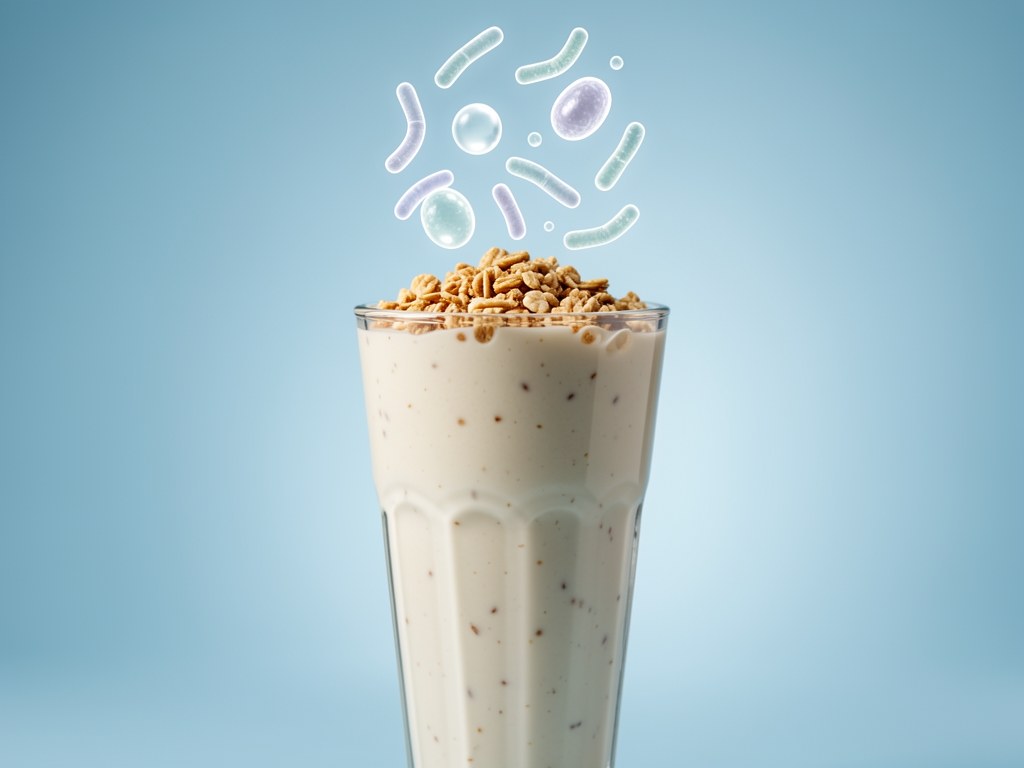
Key Probiotic Strains Found in Common Foods
Probiotics are identified by their genus, species, and strain designation. Common genera include Bifidobacterium, Lactobacillus (now often classified as Lacticaseibacillus and others), and Streptococcus, among others. The specific strains present in a food matter because health benefits are strain-specific.
Yogurt is typically made using Lactobacillus bulgaricus and Streptococcus thermophilus. Kefir, on the other hand, contains a wide variety of probiotic bacteria and yeast. Fermented vegetables like sauerkraut and kimchi often harbor lactic acid bacteria, such as Lactobacillus plantarum.
Sources: NIH Office of Dietary Supplements, Medicana International, GoodRx
Probiotic food sources: yogurt, kefir, sauerkraut, kimchi, miso, tempeh,
Several fermented foods can be part of a gut-friendly diet. Here is a closer look at common options, what to look for, and how to enjoy them.
- Yogurt: A dairy product made with Lactobacillus bulgaricus and Streptococcus thermophilus. Look for the 'live and active cultures' seal or 'contains live cultures' on the label.
- Kefir: A fermented milk drink containing a diverse mix of probiotic bacteria and yeast. Check the label for live cultures and keep it refrigerated.
- Sauerkraut: Finely cut cabbage fermented by lactic acid bacteria. Choose 'raw' or 'unpasteurized' varieties from the refrigerated section to ensure live cultures.
- Kimchi: A traditional Korean dish of fermented vegetables, typically cabbage and radishes, seasoned with chili and other spices. Look for unpasteurized, refrigerated versions.
- Miso: A fermented soybean paste often used in soups and marinades. Choose refrigerated, minimally processed miso and add it to dishes after cooking to preserve beneficial bacteria.
- Tempeh: A fermented soybean cake with a nutty flavor. Fresh, refrigerated tempeh contains live cultures and is a good plant-based protein source. Tempeh fermentation uses Rhizopus mold, and beneficial bacteria may also be present, but evidence that these are probiotic is limited. Choose refrigerated tempeh for live cultures.
- Kombucha: A fermented tea beverage made with a symbiotic culture of bacteria and yeast (SCOBY). Refrigerated kombucha with live cultures can be a refreshing choice. Note that kombucha contains live cultures, but these have not been shown to be probiotic under the scientific definition.
Sources: NIH Office of Dietary Supplements, Children's Hospital of Philadelphia, Medicana International, Grace Harbor Farms, GoodRx, Nirvana Healthcare
How to Choose Foods with Live Cultures
Not every fermented food contains live probiotics. Processing steps like pasteurization, baking, canning, or high-heat cooking can kill beneficial bacteria. To get live cultures, check product labels and choose wisely.
- Look for the 'live and active cultures' seal on yogurt containers. This seal indicates live cultures at the time of manufacture, but it does not guarantee that the strains are clinically proven probiotics.
- For fermented vegetables like sauerkraut and kimchi, select refrigerated, unpasteurized varieties. Shelf-stable products are often heat-treated and lack live cultures.
- Miso should be added to soups or other dishes after cooking, as high temperatures can destroy beneficial bacteria.
- Kefir and kombucha should be refrigerated and checked for live cultures on the label.
Sources: NIH Office of Dietary Supplements, Children's Hospital of Philadelphia, Grace Harbor Farms, GoodRx
Fermented Foods That Lack Probiotics
Many fermented foods contain live cultures that have not been proven to be probiotic under the scientific definition. Others may lose their live cultures during processing. Common examples include pickles, sourdough bread, and many aged cheeses. Frozen yogurt, for instance, does not provide probiotics. Pasteurization and high-heat cooking kill live bacteria, so products that undergo these steps will not deliver live cultures.
Sources: NIH Office of Dietary Supplements, Children's Hospital of Philadelphia
Potential Side Effects and Who Should Consult a Healthcare Provider
For most healthy people, probiotic foods are safe and well-tolerated. However, some individuals, especially those with stomach or bowel symptoms, may notice increased gas, bloating, or mild cramping when first adding probiotic foods. These effects usually subside as your system adjusts.
If you have a health condition that increases your risk for infection, or if you have a central line, talk to your healthcare provider before giving probiotics to yourself or your child. Do not rely on this page as personalized medical advice.
Sources: Children's Hospital of Philadelphia, James A. Vito, D.M.D. Blog
A Closer Look at Common Probiotic Foods
The table below summarizes typical live culture indicators and common strains in popular probiotic-rich foods. Always read labels and choose refrigerated options when possible.
| Food | Live culture indicator | Common strains |
|---|---|---|
| Yogurt | Look for 'live and active cultures' seal or 'contains live cultures' | Lactobacillus bulgaricus and Streptococcus thermophilus |
| Kefir | Check label for live cultures | Wide variety of probiotic bacteria and yeast |
| Sauerkraut | Look for 'raw' or 'unpasteurized' in refrigerated section | Lactic acid bacteria (e.g., Lactobacillus plantarum) |
| Kimchi | Look for 'unpasteurized' in refrigerated section | Lactic acid bacteria such as Lactobacillus |
| Miso | Refrigerated, minimally processed varieties; avoid boiling | Fermented soybean paste (contains various bacteria) |
| Tempeh | Refrigerated fresh tempeh | Rhizopus mold (starter), but also contains beneficial bacteria |
| Kombucha | Check label for live cultures, refrigerated | Symbiotic culture of bacteria and yeast (SCOBY) |
Sources: NIH Office of Dietary Supplements, Children's Hospital of Philadelphia, Medicana International, Grace Harbor Farms, GoodRx, Nirvana Healthcare
Frequently asked questions
Can I get enough probiotics from food alone?
For many people, a diet that includes a variety of probiotic-rich foods—such as yogurt, kefir, sauerkraut, kimchi, miso, and tempeh—can provide beneficial live cultures. However, obtaining a specific therapeutic dose may require supplements; consult a healthcare provider for individual needs.
Sources: NIH Office of Dietary SupplementsWhat is the difference between probiotic foods and probiotic supplements?
Probiotic foods are fermented or cultured products that naturally contain live microorganisms. Supplements are concentrated doses of specific strains, often in capsules or powders. While supplements can deliver targeted strains, foods also provide other nutrients like protein, vitamins, and fiber. Not all fermented foods contain proven probiotic strains, so label reading is important.
Sources: NIH Office of Dietary SupplementsShould I refrigerate fermented foods to keep the probiotics alive?
Many probiotic foods, such as yogurt, kefir, and fresh kombucha, should be kept refrigerated to maintain live cultures. However, some products are shelf-stable; these often contain heat-treated or pasteurized ingredients and may not have live probiotics. Always follow storage instructions on the label and choose refrigerated options when seeking live cultures.
Sources: NIH Office of Dietary SupplementsAre pickles and sourdough bread considered probiotic foods?
Pickles and sourdough bread are fermented foods, but they typically do not contain live cultures at the time of consumption because they are often pasteurized or baked, which kills bacteria. Some unpasteurized, refrigerated pickles may contain live lactic acid bacteria, but they are not usually considered reliable sources of probiotics. Sourdough bread, even if made with a live starter, is baked, and the heat destroys the beneficial bacteria. So, while they are tasty fermented foods, they are not generally classified as probiotic foods.
Sources: NIH Office of Dietary SupplementsSources
- Probiotics - Health Professional Fact Sheet — NIH Office of Dietary Supplements
- Food as Medicine: Probiotic Foods - Children's Hospital of Philadelphia — Children's Hospital of Philadelphia
- Probiotic Foods List: Foods That Support Gut Health — Medicana International
- Best Probiotic Food Sources for Gut Health — Grace Harbor Farms
- The 5 Best Probiotic Foods for Gut Health — James A. Vito, D.M.D. Blog
- The 15 Best Probiotic Foods for Gut Health — GoodRx
- Enhancing Gut Health with Probiotics — Nirvana Healthcare