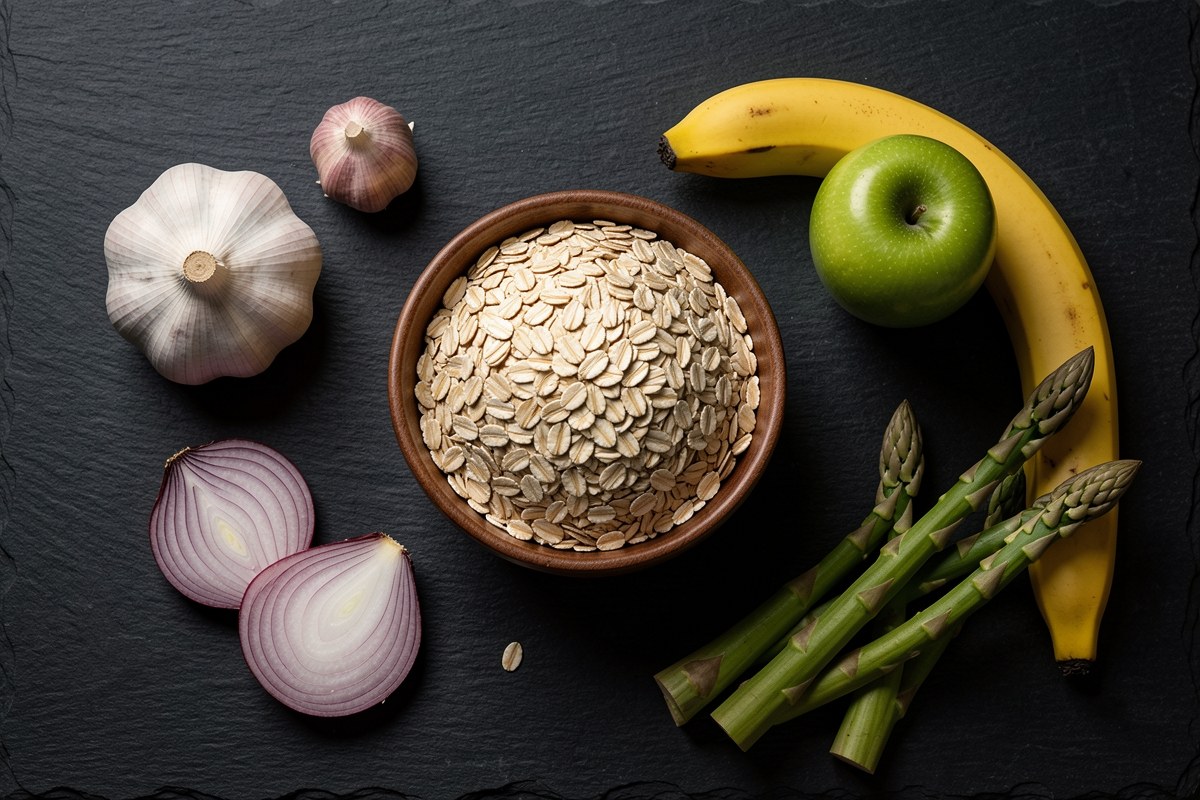
What Are Prebiotics and How Do They Work?
You may have heard about probiotics—the live, beneficial bacteria found in foods like yogurt. But those microbes need food to thrive, and that's where prebiotics come in. Prebiotics are ingredients in certain foods that your intestines can't fully digest, such as some starches, oligosaccharides, inulin, and pectin. Most are types of fiber. Instead of being absorbed in the upper digestive tract, they travel to the colon, where they act as nutrition for your resident gut bacteria, helping them to flourish.
This process isn't just about supporting the microbes themselves. Research has linked higher prebiotic intake to improved intestinal absorption of dietary calcium, better blood sugar control, a well-functioning immune system, and reduced risk of colorectal cancer. While much of the evidence is promising, it's important to remember that a single food isn't a magic bullet—overall dietary patterns matter most.
It's also worth noting that what you eat affects the balance of your gut microbiome. By choosing foods rich in prebiotics, you're essentially providing the raw materials that help beneficial bacteria multiply and produce compounds like short-chain fatty acids, which support intestinal health.
- Prebiotics are non-digestible carbohydrates that feed beneficial gut bacteria.
- They are most plentiful in high-fiber foods.
- Prebiotics help the microbes already in your microbiome to grow by giving them the foods they like.
Sources: Harvard Health Publishing, Mayo Clinic Health System
Key Types of Prebiotic Fiber
Not all fiber is created equal. Prebiotics come in several distinct forms, each with its own food sources and effects on the gut.
Common prebiotic fibers include inulin, fructo-oligosaccharides (FOS), and galacto-oligosaccharides (GOS). Many people are familiar with inulin because it's often added to processed foods to boost fiber content. Other types include resistant starch, which is found in green bananas and oats, and beta-glucan, which is abundant in oats and barley. Pectin, a soluble fiber in apples, also has prebiotic properties. Pectin increases butyrate, a short-chain fatty acid that feeds beneficial gut bacteria and decreases the population of harmful bacteria.
Each type of fiber may have unique effects, but they all serve as food for the microorganisms in your gut.
- Inulin and FOS: found in garlic, onions, leeks, asparagus, Jerusalem artichokes, and chicory root.
- Resistant starch: found in unripe bananas and some whole grains.
- Beta-glucan: found in oats and barley.
- Pectin: found in apples and some other fruits; helps produce butyrate.
Sources: WebMD, Healthline, ZOE
Whole Grains and Cereals: Oats, Barley, and More
Whole grains are a cornerstone of a gut-healthy diet because they provide a mix of fiber types. Whole oats, for example, are high in fiber and include beta-glucan fiber and resistant starch, both of which have been linked to beneficial gut bacteria. Barley also contains beta-glucan, a prebiotic fiber that may help lower total and LDL (bad) cholesterol and reduce the risk of cardiovascular disease.
Other whole-grain products such as wheat-based cereals and breads are also good sources. That said, the processing matters: refined grains lose much of their fiber and prebiotic benefit, so choosing intact whole grains or minimally processed options is a smart move.
- Oats: rich in beta-glucan and resistant starch.
- Barley: provides beta-glucan and supports heart health.
- Wheat: whole-grain breads and cereals contribute to prebiotic intake.
Sources: WebMD, Healthline, ZOE
Fruits and Vegetables: Apples, Bananas, Onions, and More
Fruits and vegetables are probably the most diverse category of prebiotic foods. Garlic and onions are particularly notable: both are rich in inulin and FOS, and onions also provide antioxidants and flavonoids. Leeks, from the same family, also promote healthy gut bacteria thanks to their inulin content. Asparagus naturally contains inulin, and Jerusalem artichokes are rich in fiber, especially inulin, as well as antioxidants.
Apples contain pectin, a soluble fiber with prebiotic benefits. Pectin increases butyrate, a short-chain fatty acid that feeds beneficial gut bacteria and decreases the population of harmful bacteria. Unripe (green) bananas are high in resistant starch, while ripe bananas contain less resistant starch but still offer fiber. Berries and carrots are also among the fruits and vegetables that contain complex carbohydrates with prebiotic benefits. Even leafy greens can help: dandelion greens provide 3.5 grams of fiber per 100-gram serving, including inulin, and savoy cabbage offers about 2.2 grams of prebiotic fiber per cup. Mushrooms contain several prebiotic compounds, including chitin, hemicellulose, mannans, galactans, and xylans.
Potatoes, including sweet potatoes, are another source of prebiotic carbohydrates. The fiber and resistant starch in potatoes can contribute to a gut-friendly diet when they are prepared healthfully.
- Onions and garlic: rich in inulin and FOS.
- Leeks: support healthy gut bacteria with inulin.
- Asparagus: contains inulin naturally.
- Jerusalem artichokes: high in fiber, especially inulin, and antioxidants.
- Apples: provide pectin, which boosts butyrate.
- Green bananas: rich in resistant starch.
- Berries, carrots, and sweet potatoes: additional prebiotic sources.
- Dandelion greens and savoy cabbage: offer additional prebiotic fiber.
- Mushrooms: contain a variety of prebiotic compounds.
Sources: Mayo Clinic Health System, WebMD, Healthline, ZOE
Legumes: Beans and Lentils
Beans, lentils, and other legumes are fiber powerhouses, and they naturally contain prebiotic carbohydrates. Including a variety of legumes in your diet—such as black beans, chickpeas, and lentils—can contribute to your overall prebiotic intake.
One caveat: because legumes are rich in fiber and certain oligosaccharides, they may cause gas in some people. This is often temporary as your gut adjusts, but if you have a sensitive digestive system, you may want to introduce them gradually.
- Beans, lentils, and soybeans are fiber-rich foods that feed gut bacteria.
- Soybeans are specifically mentioned as a prebiotic source.
Sources: Harvard Health Publishing
Nuts and Seeds: Small but Mighty
While nuts and seeds are often thought of for their healthy fats, they also contribute fiber and prebiotic compounds. Flaxseed is mentioned as a source of complex carbohydrates that can act as prebiotics. In addition, cocoa—while not a nut or seed—contains polyphenols that can act as prebiotics, enhancing the growth of beneficial gut bacteria. Chia seeds, almonds, and pistachios are also good choices, though they may contain lower amounts of prebiotic fiber compared to grains and legumes.
Including a small handful of nuts or a tablespoon of ground flaxseed in your daily routine is an easy way to add variety and fiber to your diet.
- Flaxseed: contains prebiotic complex carbohydrates.
- Cocoa: polyphenols can act as prebiotics.
- Almonds and chia seeds are also good fiber sources.
Sources: Mayo Clinic Health System, ZOE
Chicory Root and Konjac: Concentrated Sources
Some foods stand out for their exceptionally high prebiotic content. Chicory root is an excellent source of prebiotics and is high in antioxidants; its fiber is often added to prepackaged foods to boost fiber content. Konjac root flour contains 70% to 90% of a highly viscous dietary fiber called glucomannan fiber, which can act as a prebiotic by promoting the growth of good gut bacteria.
These concentrated sources can be useful additions, but they are less common in typical meals. If you're looking for a convenient option, you might find them as ingredients in certain processed foods or as supplements (discussed below).
- Chicory root: rich in inulin and antioxidants.
- Konjac root: provides glucomannan fiber, a potent prebiotic.
- Both are often used as ingredients in commercial products.
Sources: WebMD, Healthline
Practical Tips for Increasing Your Prebiotic Intake
Boosting your prebiotic intake doesn't require a complete overhaul of your diet. You can start with small, manageable changes that add up over time.
One strategy is to aim for a serving of oats or barley at breakfast. Another is to include a banana (especially a slightly green one) as a snack. At lunch, add a handful of spinach or dandelion greens to your salad. For dinner, incorporating onions and garlic into savory dishes is a simple way to increase prebiotic fiber. You can also experiment with leeks in soups or stir-fries, or roast Jerusalem artichokes as a side dish.
Remember to increase fiber gradually to give your gut time to adapt. Drinking plenty of water helps fiber move through your system smoothly.
- Start with a bowl of whole oats or barley in the morning.
- Snack on a green banana or an apple.
- Add onions and garlic to sauces, soups, and stir-fries.
- Try leeks, asparagus, or Jerusalem artichokes as side dishes.
- Include legumes in soups, salads, or as a main dish.
- If you have a digestive condition like irritable bowel syndrome (IBS), increase intake slowly and monitor your symptoms.
Sources: Harvard Health Publishing, Mayo Clinic Health System, WebMD
Prebiotics vs. Probiotics: What's the Difference?
It's easy to confuse prebiotics and probiotics, but they play different roles. Prebiotics are the food for the good bacteria already in your gut. Probiotics are live bacteria that you consume directly, often through fermented foods like yogurt, kefir, or sauerkraut. Prebiotics help the microbes already in your microbiome to grow by giving them the foods they like, while probiotics add living microbes directly to your microbiome.
In short, prebiotics are 'fertilizer' that helps your existing bacteria flourish, whereas probiotics are 'seed' that introduces new bacteria. For a healthy gut, you need both: a diet rich in prebiotic fiber provides the foundation that allows probiotics to take hold and multiply.
- Prebiotics feed gut bacteria; probiotics are live beneficial bacteria.
- You need both to support a healthy gut microbiome.
Sources: Harvard Health Publishing, Mayo Clinic Health System
Frequently asked questions
Are prebiotics the same as probiotics?
No. Prebiotics are non-digestible fibers that serve as food for beneficial bacteria already present in your gut. Probiotics are living microorganisms—typically bacteria or yeast—that you consume to add to that population. You can think of prebiotics as fertilizer that helps existing microbes flourish, while probiotics are like seeds you plant.
Sources: Harvard Health Publishing, Mayo Clinic Health SystemHow much prebiotic food should I eat?
Studies suggest that eating 3 to 5 grams of prebiotics a day can benefit gut health. However, this is a general guideline, and individual needs may vary. Most people can meet this by including a variety of fruits, vegetables, whole grains, and legumes in their daily diet.
Sources: WebMDCan I take a prebiotic supplement instead?
Yes, prebiotic supplements exist, and they often contain concentrated forms like inulin or FOS. However, it's generally better to get prebiotics from whole foods, as they provide additional nutrients and fiber. If you're considering a supplement, consult a healthcare professional, especially if you have digestive issues.
Sources: Harvard Health Publishing, WebMDWhich food has the highest prebiotic content?
Chicory root is an excellent source, and its fiber is often used to boost prebiotic content in processed foods. Jerusalem artichokes are also very high in inulin. Among more common foods, onions, garlic, and leeks are particularly rich.
Sources: WebMD, HealthlineDo prebiotics cause gas and bloating?
Yes, some people experience gas and bloating when they first increase their intake of prebiotic fiber. This is because bacteria ferment the fiber, producing gas. If you have irritable bowel syndrome (IBS), especially with diarrhea, a diet heavy in prebiotics might worsen your symptoms. Start with small amounts and gradually increase to allow your gut to adapt.
Sources: Harvard Health Publishing, WebMDSources
- Prebiotics: Understanding their role in gut health — Harvard Health Publishing
- Gut health: prebiotics and probiotics — Mayo Clinic Health System
- 8 Foods High in Prebiotics and Why You Need Them — WebMD
- The 19 Best Prebiotic Foods You Should Eat — Healthline
- Prebiotic foods to include in your diet — ZOE