Understanding FODMAPs and Probiotics
FODMAPs are a group of poorly absorbed short-chain carbohydrates that can trigger digestive symptoms in people with irritable bowel syndrome (IBS). They include fructans, galacto-oligosaccharides, lactose, fructose, and polyols. A low-FODMAP diet, when done correctly, has been shown to improve symptoms in a significant number of people with IBS, but it can also reduce the variety of beneficial bacteria in your gut.
Probiotics are live microorganisms that, when consumed in adequate amounts, can provide health benefits. However, not all fermented foods contain live probiotics, and some probiotic supplements or foods may contain high-FODMAP ingredients like inulin or fructo-oligosaccharides (FOS) as prebiotics. Choosing the right probiotic foods while on a low-FODMAP diet requires attention to both the fermentation process and the serving size.
- FODMAPs are short-chain carbohydrates that are poorly absorbed and can cause gas, bloating, and pain in sensitive individuals.
- Probiotics are live microbes that may help maintain a healthy gut microbiome, but they must be chosen carefully on a low-FODMAP diet.
- Low-FODMAP diets may reduce beneficial bacteria, and probiotics might help counterbalance that effect.
Sources: Journal of Medicine and Life, Nutrients (MDPI), American College of Gastroenterology
Which Probiotic Foods Are Low in FODMAPs?
Certain fermented foods are naturally low in FODMAPs when consumed in appropriate serving sizes. Lactose-free yogurt and kefir are good options because they contain live cultures but have the lactose removed. Hard cheeses like cheddar, parmesan, and Swiss are low in lactose and can be eaten in small servings (around 40g). Tempeh, made from fermented soybeans, is low FODMAP in moderate portions (up to 170g). Miso paste is low FODMAP in small amounts (1 tablespoon or less).
Sourdough bread made through traditional fermentation is often tolerated in small servings (1–2 slices) because the fermentation process breaks down some of the fructans. However, the live cultures are destroyed during baking, so sourdough is not a probiotic source.
It's important to remember that a fermented food is not automatically a probiotic. For a product to be classified as a probiotic, it must have been scientifically tested and shown to provide a health benefit. Many fermented foods contain live microbes, but not all have been studied for probiotic effects.
- Lactose-free kefir is a low-FODMAP fermented milk drink that contains live cultures. Note that a low-FODMAP serving size for kefir is not established by current evidence.
- Hard cheeses are low in lactose and can be included in small servings around 40g.
- Tempeh and miso are fermented soy products that are low FODMAP in moderate or small amounts.
- Sourdough bread is low FODMAP in small servings but does not provide probiotics after baking.
- Sauerkraut is low FODMAP only in a very small 1-tablespoon serving, which may be too small to offer significant probiotic benefits.
- Always read labels to ensure no high-FODMAP ingredients like garlic, onion, honey, or inulin have been added.
| Food | Category | FODMAP Status | Serving Size | Live Cultures |
|---|---|---|---|---|
| Lactose-free kefir | Fermented milk | Low | Not specified | Present |
| Hard cheeses (cheddar, parmesan, Swiss) | Fermented dairy | Low | 40g | May be present |
| Sourdough bread | Fermented grain | Low | 1–2 slices | Present in dough before baking |
| Tempeh | Fermented soy | Low | Up to 170g | Present if not cooked |
| Miso paste | Fermented soy | Low | 1 tbsp or less | Present in unpasteurized miso |
| Sauerkraut | Fermented vegetable | Low only in very small amounts | 1 tablespoon | Present if refrigerated and naturally fermented |
Sources: University Hospitals, Noisy Guts, Monash FODMAP
Probiotic Foods to Avoid on a Low-FODMAP Diet
Several common probiotic foods are high in FODMAPs and can trigger symptoms in people with IBS. Regular yogurt and kefir contain lactose, which is a FODMAP. Sauerkraut, while fermented, is high in mannitol when eaten in normal portions; only a very small serving (about 1 tablespoon) is considered low FODMAP. Kimchi often includes garlic and onion, both high-FODMAP ingredients, so unless it is specifically made without them, it is not suitable.
Kombucha can also be high in FODMAPs, so if you choose to try it, stick to small amounts and monitor your symptoms.
Additionally, some probiotic supplements and fortified foods may contain prebiotics like inulin or FOS, which can be high in FODMAPs. When choosing a probiotic product, it's essential to check the label for these ingredients.
- Regular yogurt and kefir are high in lactose and not low FODMAP.
- Sauerkraut is high FODMAP in normal portion sizes; only a very small serving (about 1 tablespoon) is low FODMAP.
- Kimchi often contains garlic and onion, making it high FODMAP.
- Kombucha's FODMAP content is uncertain, and no safe serving size has been established.
- Supplements with added prebiotics like inulin or FOS can be high FODMAP.
Sources: University Hospitals, Noisy Guts, The IBS Dietitian
How to Test Your Tolerance to Probiotic Foods
When introducing any new food on a low-FODMAP diet, it's crucial to test your tolerance individually. Start with a small portion of one probiotic food at a time, and keep a food diary to track symptoms. If you tolerate that portion, you can gradually increase the amount over several days, but always stay within the low-FODMAP serving size.
Remember that FODMAPs have a cumulative effect, so eating multiple low-FODMAP foods together can still trigger symptoms if the total FODMAP load is high. Also, the fermentation process can produce gas in the gut, even with low-FODMAP foods, so some initial bloating may occur. If symptoms persist, reduce the portion or stop eating that food.
Consult a registered dietitian before making significant changes to your diet, especially if you have IBS. They can help you navigate the elimination and reintroduction phases safely.
- Start with one new probiotic food at a time.
- Use a food diary to record what you eat and any symptoms.
- Begin with a small portion, then gradually increase if well-tolerated.
- Be aware that FODMAPs accumulate, so keep total intake in check.
- If symptoms persist, discontinue the food and seek professional advice.
Sources: University Hospitals, The IBS Dietitian
Building a Low-FODMAP Gut-Healthy Meal
Creating a balanced low-FODMAP meal that also supports gut health is possible by combining low-FODMAP probiotic foods with other nutrient-dense options. Here is a step-by-step meal idea that you can adapt to your preferences.
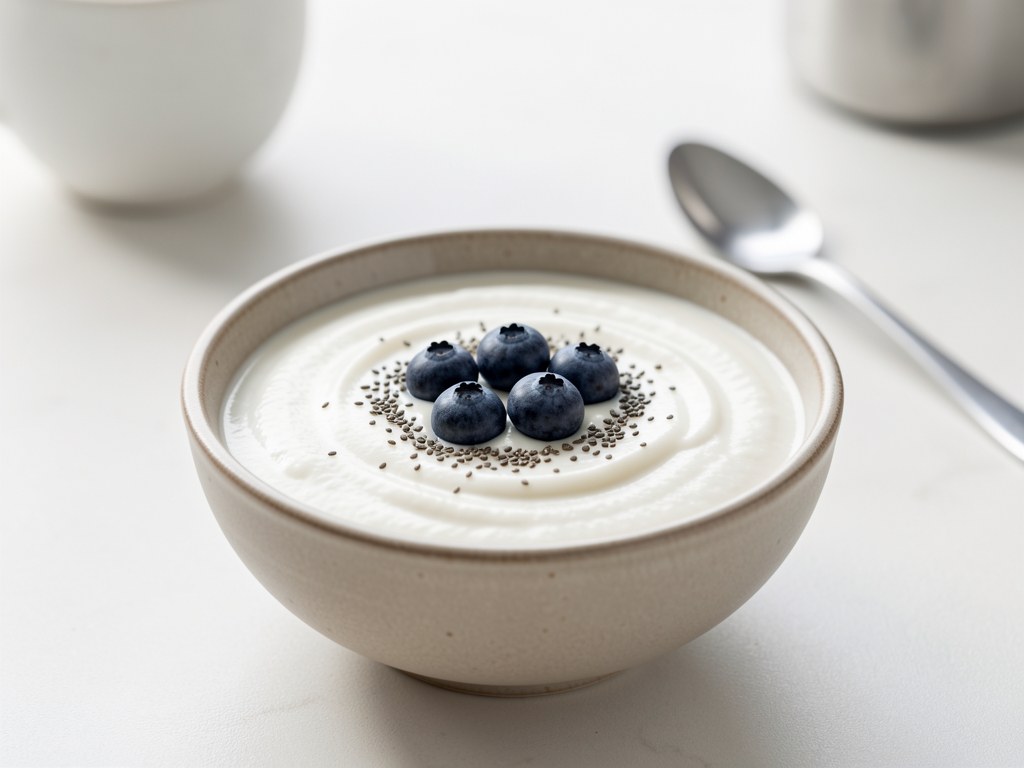
For a quick breakfast, start with a serving of lactose-free plain yogurt (about ¾ cup) and stir in a tablespoon of low-FODMAP nuts like walnuts. Add a small handful of blueberries (about ¼ cup) if you like.
For a savory dinner, try a tempeh and vegetable skillet. Use about 3 ounces of tempeh, sliced, and cook it with low-FODMAP vegetables such as carrots, zucchini, and spinach. Season with garlic-infused oil (where the garlic pieces have been removed) and a splash of low-FODMAP soy sauce. Serve with a side of 1 slice of sourdough toast if you tolerate gluten.
Remember to keep portions in check and avoid adding high-FODMAP seasonings like garlic and onion. Use herbs and spices that are low FODMAP, such as oregano, thyme, and chives.
- Lactose-free yogurt or kefir with low-FODMAP fruits and nuts makes a gut-friendly breakfast.
- A tempeh and vegetable skillet is a protein-rich dinner option.
- Use low-FODMAP seasonings and avoid garlic and onion.
- If you include sourdough, keep to 1 slice per serving.
Sources: University Hospitals, Noisy Guts
Consulting a Dietitian for Personalized Guidance
The low-FODMAP diet is complex and should not be undertaken without professional guidance. A registered dietitian can help you correctly eliminate high-FODMAP foods, reintroduce them systematically, and ensure you maintain a balanced diet. They can also advise on probiotic use, as evidence for specific strains is still evolving.
To find a qualified professional, you can ask your primary care provider for a referral, or search the Academy of Nutrition and Dietetics directory for a registered dietitian specializing in digestive health. Some dietitians offer telehealth consultations, which can make it easier to find someone with IBS expertise.
When you meet with a dietitian, consider asking about how to structure the elimination and reintroduction phases of the low-FODMAP diet, which probiotic foods might fit your tolerance level, and how to assess whether a probiotic supplement is worth trying. Also ask how to keep your diet nutritionally balanced while avoiding high-FODMAP foods.
A dietitian can help you evaluate any probiotic product and decide if a trial is appropriate for your situation, as the evidence for specific strains is still evolving.
- The low-FODMAP diet should be done under professional supervision.
- Ask your doctor for a referral or search for a registered dietitian with digestive health expertise.
- Prepare questions about reintroduction, probiotic foods, and maintaining a balanced diet.
- Personalized advice is essential because everyone's tolerance varies.
Sources: American College of Gastroenterology, The IBS Dietitian
Frequently asked questions
Is yogurt low-FODMAP?
Regular yogurt is high in lactose and therefore not low FODMAP. However, lactose-free yogurt is a suitable alternative and can be low FODMAP. Look for products labeled lactose-free and check for added high-FODMAP ingredients.
Sources: University HospitalsCan I eat sauerkraut on a low-FODMAP diet?
Sauerkraut is only low FODMAP in a very small serving of about 1 tablespoon, because cabbage is high in mannitol. In larger amounts, it may trigger symptoms. While 1 tablespoon may provide some live cultures, it is unlikely to offer significant probiotic benefits.
Sources: Noisy GutsWhat is the best probiotic for IBS?
There is insufficient high-quality evidence to recommend a specific probiotic strain or product for IBS. Guidelines suggest that probiotics can be trialled, but there is no 'best' one. Lactobacillus, Bifidobacterium, and Bacillus have shown some effectiveness in symptom relief, but results vary. Consult a dietitian to help choose a product and assess your response.
Sources: Frontiers in Pharmacology, The IBS DietitianDo probiotic foods always cause gas?
No, but they can, especially when you first introduce them. Fermented foods can cause gas, even if they are low FODMAP, due to the activity of live microbes. Starting with small portions and increasing gradually can help your gut adapt. If gas or bloating persists, stop eating that food and speak with a healthcare professional.
Sources: Nutrients (MDPI)Sources
- Diet, fibers, and probiotics for irritable bowel syndrome - PMC — Journal of Medicine and Life
- Low FODMAP Diet and Probiotics in Irritable Bowel Syndrome — Frontiers in Pharmacology
- Low-FODMAP Diet for Irritable Bowel Syndrome: Insights from Microbiome — Nutrients (MDPI)
- Low FODMAP Diet for Patients with Irritable Bowel Syndrome — University Hospitals
- Low-FODMAP Diet — American College of Gastroenterology
- Probiotics for IBS — Monash FODMAP
- Fermented Foods: Hype or Hero? (Low FODMAP Edition) — Noisy Guts
- What are low FODMAP fermented foods? Includes 23 recipes — The IBS Dietitian