What Makes a Food Prebiotic
Prebiotics are non-digestible food components that serve as fuel for beneficial gut bacteria, helping to improve the gut microbiome. They work in tandem with probiotics, which are live microorganisms, to support digestive health. In simple terms, prebiotics are food for the good bacteria in your gut, while probiotics are the beneficial bacteria themselves.
Common types of prebiotic fiber include inulin, fructooligosaccharides (FOS), pectin, and resistant starch. These fibers resist digestion by the human body and reach the large intestine, where they are fermented by beneficial bacteria. This fermentation produces short-chain fatty acids (SCFAs), which nourish the cells lining your colon.
- Key prebiotic fibers: inulin, fructooligosaccharides (FOS), pectin, and resistant starch.
- Prebiotics are not digested by the human body but are fermented by beneficial bacteria in the large intestine.
Sources: Harvard Health Publishing, Trifecta, WebMD
Top Prebiotic Vegetables
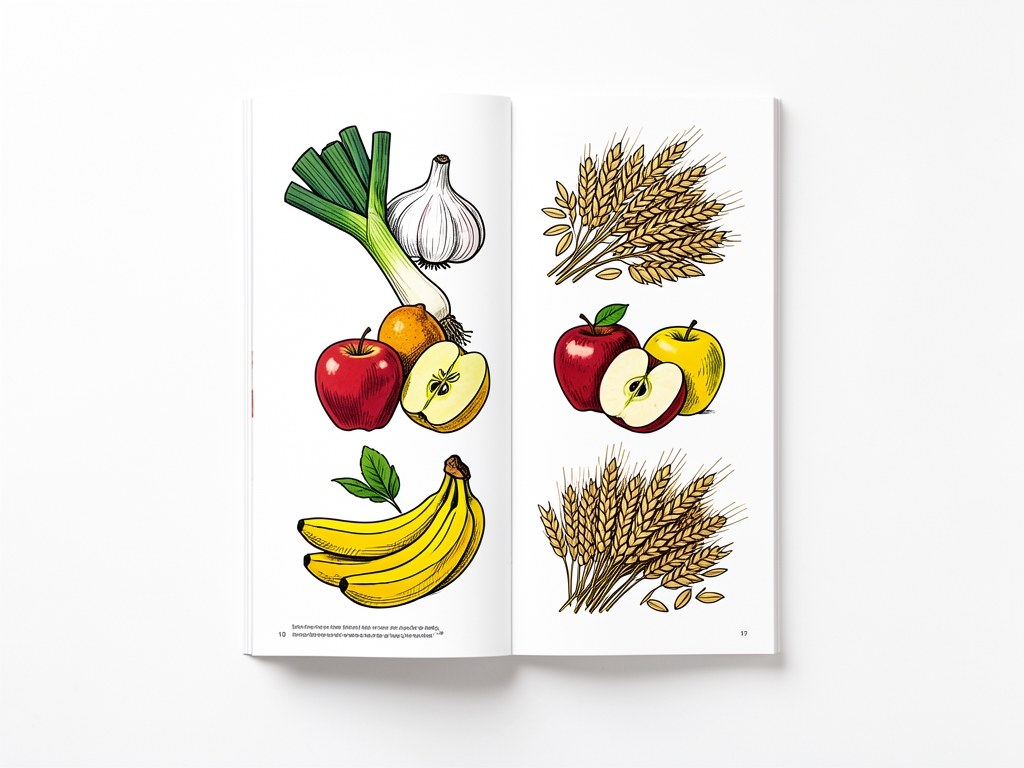
Vegetables are excellent sources of prebiotic fiber, particularly inulin and fructooligosaccharides (FOS). Garlic and onions are well-known prebiotic foods, providing both inulin and FOS. Asparagus is another vegetable rich in inulin, and Jerusalem artichokes are particularly high in this prebiotic fiber.
Including a variety of these vegetables in your diet can support a healthy gut microbiome. They can be added to salads, stir-fries, soups, and other dishes to boost your prebiotic intake.
- Garlic: a rich source of inulin and FOS.
- Onions: contain inulin and FOS.
- Asparagus: provides inulin.
- Jerusalem artichokes: an especially high source of inulin.
Prebiotic Fruits and Their Benefits
Fruits also offer a variety of prebiotic fibers, including pectin and resistant starch. Apples, especially with the skin, are high in fiber, including pectin, which can increase healthy gut bacteria and decrease harmful bacteria. Pears similarly contain pectin and other fiber, which can help you meet daily fiber goals and support gut health.
Bananas are a popular prebiotic fruit; about 60-80% of their carbohydrates come from prebiotic fibers. Unripe (green) bananas contain higher amounts of resistant starch than ripe ones. Blueberries and strawberries also contribute: blueberries are rich in fiber and polyphenols, which may have a prebiotic-like effect, and strawberries contain pectin and polyphenols that suggest potential as prebiotic foods.
Other fruits like avocado, dates, nectarines, and grapefruit also have prebiotic potential. Avocados provide pectin and healthy fats, and one study associated daily avocado consumption with a more diverse gut microbiome. Dates contain complex carbohydrates with prebiotic properties. Nectarines have the highest content of FOS among fruits, and grapefruit membranes are rich in pectin.
- Apples, pears, and grapefruit provide pectin.
- Unripe bananas are rich in resistant starch.
- Blueberries and strawberries offer fiber and polyphenols.
- Avocados contain pectin and healthy fats.
- Dates and nectarines also show prebiotic benefits.
Whole Grains and Legumes as Prebiotics
Whole grains are a valuable source of prebiotic fiber. Oats, for example, contain beta-glucan and resistant starch, which may increase healthy gut bacteria. One cup of cooked oats provides about 4 grams of fiber. Other whole-grain products, such as wheat, are also listed as prebiotic sources in the research.
Legumes, including soybeans, are among the foods identified as prebiotic sources in the same research.
Including a variety of whole grains and legumes in your meals can help you add prebiotic fiber to your diet.
- Whole oats: provide beta-glucan and resistant starch.
- Wheat and whole-grain products: listed as prebiotic sources.
- Soybeans: listed as a prebiotic food in the research.
Sources: Harvard Health Publishing, WebMD
Prebiotic Foods You Might Already Have
Many common foods in your kitchen likely contain prebiotics. Garlic, onions, bananas, apples, oats, and asparagus are everyday items that can meaningfully contribute to your prebiotic intake. You don't need exotic ingredients to feed your gut microbiome.
A practical way to begin is to incorporate these foods into your meals. Add sliced banana to your morning oatmeal, include onions and garlic in savory dishes, snack on an apple with the skin, or roast asparagus as a side dish. By making these simple swaps, you can easily increase your prebiotic consumption.
- Common prebiotic foods: garlic, onions, bananas, apples, oats, and asparagus.
- Include them in everyday meals like oatmeal, stir-fries, and snacks.
Sources: InnerBuddies, Harvard Health Publishing, Trifecta, WebMD
How to Cook Prebiotic Foods to Preserve Benefits
To enjoy the benefits of prebiotic foods, it is reasonable to include both raw and cooked forms in your diet. For example, eating an apple raw with its skin retains all the pectin, and oats can be enjoyed cooked or soaked overnight, with the beta-glucan remaining available.
If you are concerned about preserving prebiotic content, you might consider gentle cooking methods and incorporating a mix of raw and cooked options.
- Eat fruits like apples with the skin to retain pectin.
- Enjoy oats cooked or soaked overnight; the beta-glucan remains available.
- Include a mix of raw and cooked prebiotic foods.
Frequently asked questions
Are oats a prebiotic food?
Yes, whole oats are considered prebiotic because they contain beta-glucan and resistant starch, which can help increase healthy gut bacteria.
Sources: WebMDDo bananas have prebiotics?
Yes, bananas contain prebiotic fibers. About 60-80% of the carbohydrates in bananas come from prebiotic fibers, and unripe (green) bananas are particularly high in resistant starch.
Sources: GoodRx, WebMDHow much prebiotic food should you eat?
A practical approach is to include a variety of prebiotic-rich foods, such as vegetables, fruits, and whole grains, throughout the day, but there is no established quantified recommendation in the research.
Sources: Trifecta, WebMDCan heat destroy prebiotic fiber?
Some prebiotic fibers may be sensitive to high temperatures, but no specific evidence is available on how cooking affects them.
What are the signs you're eating enough prebiotics?
The research does not describe specific signs of adequate prebiotic intake. What is known is that prebiotics are fermented in the large intestine, producing short-chain fatty acids that nourish gut cells. Eating a variety of fiber-rich foods generally supports digestive health, but you should consult a healthcare professional for personalized advice.
Sources: Trifecta, WebMDSources
- Boost Your Gut Health with High-Fiber Prebiotic Fruits: Top Picks in Prebiotic Foods for a Healthy Microbiome – InnerBuddies — InnerBuddies
- Best Prebiotic Foods: Bananas, Onions, Greens, and More — GoodRx
- 9 Fruits With the Most Prebiotics For Better Gut Health — TODAY
- Prebiotics: Understanding their role in gut health — Harvard Health Publishing
- 20 Prebiotic Foods To Support Digestive Health — Trifecta
- 8 Foods High in Prebiotics and Why You Need Them — WebMD